BIBS Insulation System
Blow-In-Blanket System — loose-fill fiberglass or mineral wool blown behind a fabric mesh for a complete, gap-free fill that outperforms standard batts.
What is bibs?
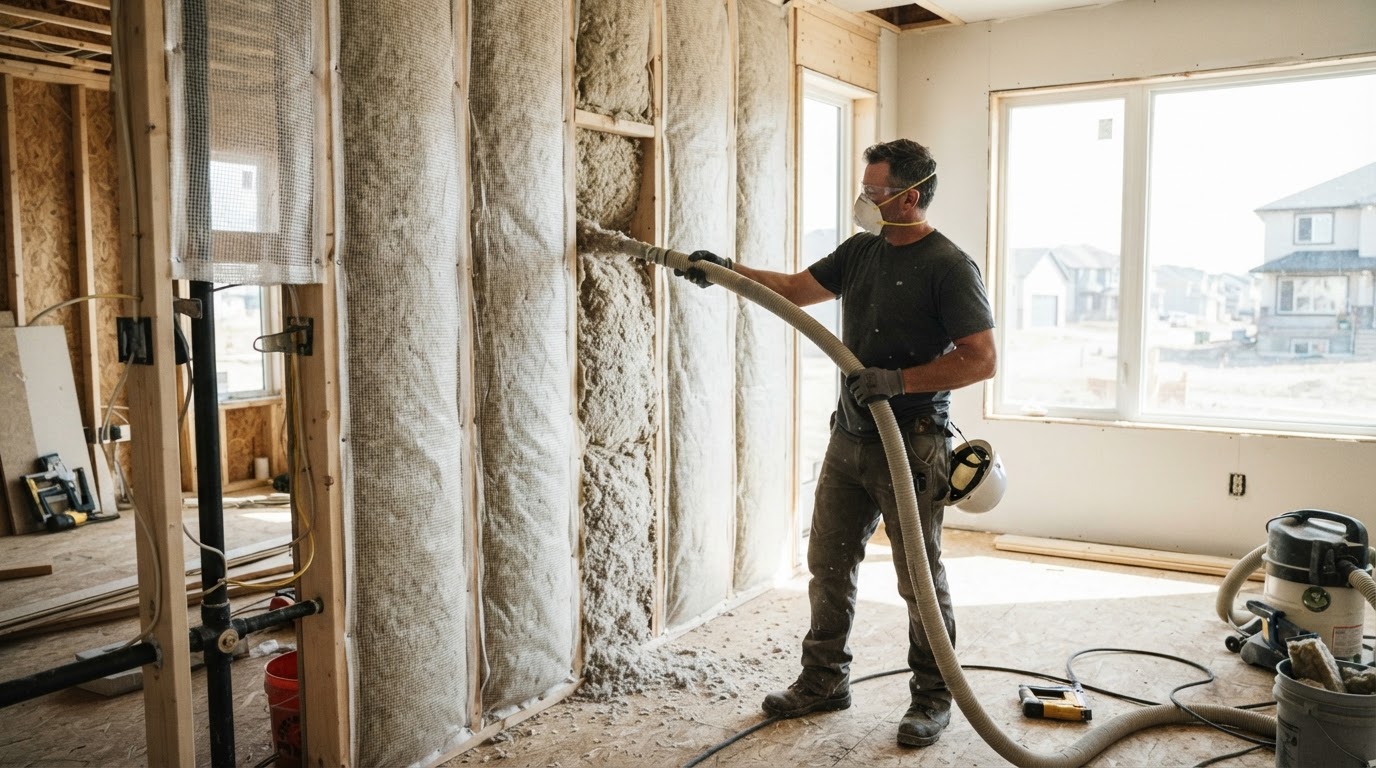
The Blow-In-Blanket System (BIBS) is an engineered way to fill enclosed wall cavities with loose-fill insulation. We staple a breathable fabric mesh across the open studs, then blow in loose fiberglass or mineral wool behind the mesh under controlled pressure. The result is a dense, gap-free fill that completely surrounds wiring, plumbing, and framing — eliminating the voids and compression that standard batts leave behind.
A denser, more complete fill
Loose-fill insulation blown under pressure packs tightly into every corner of the cavity, achieving a higher installed density — and therefore a higher effective R-value — than a batt cut to the same depth. You get the full rated performance of the material instead of the reduced performance that comes from poor batt fit.
Seals around every obstacle
Walls are full of wiring, plumbing, electrical boxes, and bracing — exactly where batts get compressed or cut short. BIBS flows around all of it, so there are no gaps or voids for air to move through. That's the core advantage over traditional batt installation.
Won't settle over time
The dense-pack method packs the loose-fill firmly behind the retaining fabric, so it stays put for the life of the wall. There's no settling or slumping to create gaps at the top of the cavity the way poorly installed loose-fill can. It performs the same in year twenty as it does on install day.
How BIBS is installed
Here's what the installation looks like from start to finish, in plain language.
- 1
We inspect the wall framing and confirm BIBS is the right approach for your cavities.
- 2
A breathable fabric mesh is stapled across the open studs to hold the loose-fill in place.
- 3
Loose fiberglass or mineral wool is blown behind the mesh under controlled pressure, packing densely around wiring, plumbing, and bracing.
- 4
We verify the cavity is completely filled, then remove the hose and review the finished wall with you.
What it can do for your property
- A denser, gap-free fill that achieves a higher installed R-value than standard batts in the same cavity
- Complete coverage that flows around wiring, plumbing, and bracing — no voids
- No settling over time thanks to the dense-pack method
- Ideal for irregular or non-standard cavities where batts won't fit cleanly
Results vary by property. We'll give you an honest, property-specific assessment during your inspection — no unsupported promises.
Where bibs makes sense
BIBS is an excellent choice for new construction or remodels with open wall framing, especially where you want better-than-batt performance without the cost of spray foam. It shines in walls with lots of obstacles — wiring, plumbing, bracing — and in cavities that aren't a standard size. It's installed before the wall is closed up.
Our approach to bibs
BIBS rewards careful, methodical installers. Blow too fast and you get voids; blow too slow and you under-pack. We control the pressure and pace so every cavity is filled densely and consistently, and we verify full coverage before the wall is closed up.
Inspection → recommendation → installation
- We inspect the property to understand what's actually needed before recommending anything.
- We discuss our findings and recommend the solution that fits your property and budget.
- We install it carefully — owner Eduardo Herrera on site to make sure it's done right.
BIBS questions, answered
What does BIBS stand for?
+
Blow-In-Blanket System. Loose-fill insulation is blown behind a fabric mesh stapled across open studs, producing a dense, gap-free fill in wall cavities.
How is BIBS different from regular blown-in insulation?
+
Standard blown-in is typically used on attic floors. BIBS is designed for enclosed wall cavities — the fabric mesh holds the loose-fill in place so it can be dense-packed into vertical walls without settling.
Is BIBS better than fiberglass batts?
+
In most wall applications, yes. BIBS fills completely around wiring, plumbing, and bracing, eliminating the voids and compression that reduce a batt's performance. The result is a higher installed R-value in the same cavity.
Can BIBS be installed in an existing home?
+
BIBS is installed into open wall framing, so it's best suited to new construction or remodels where walls are still open. For existing finished walls, we can discuss other options after inspecting your property.
How do I get an estimate for BIBS?
+
Estimates are free and carry no obligation. Call (832) 517-6647 or request one online and we'll inspect your framing and give you a clear, upfront price.
Ready to discuss your insulation project?
Tell us about your property and we'll help you decide whether bibs is the right fit. Free, no-obligation estimate.
Other ways we can help
Closed-Cell Spray Foam Insulation
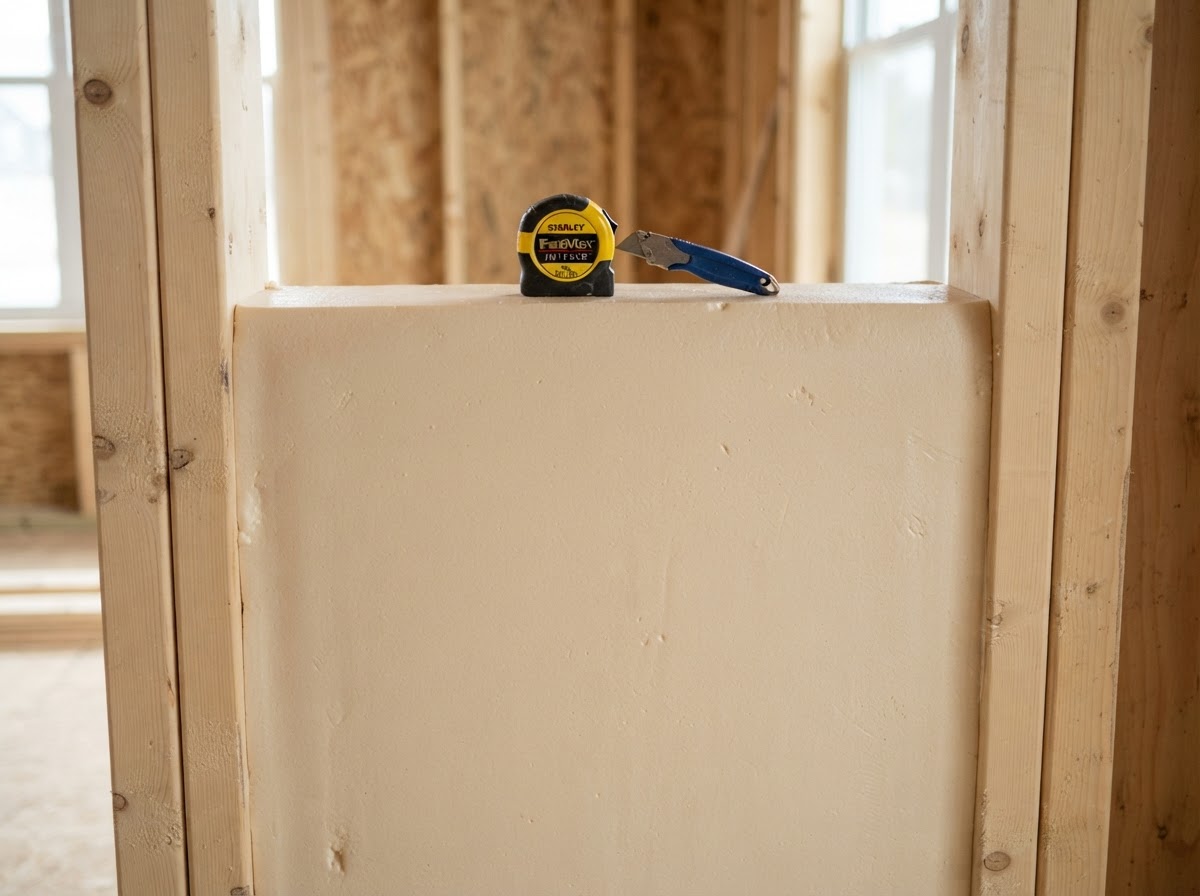
High-density closed-cell polyurethane foam expands to seal every gap, delivering the highest R-value per inch available, a built-in vapor retarder, and real structural reinforcement — a top choice for Houston homes.
Learn more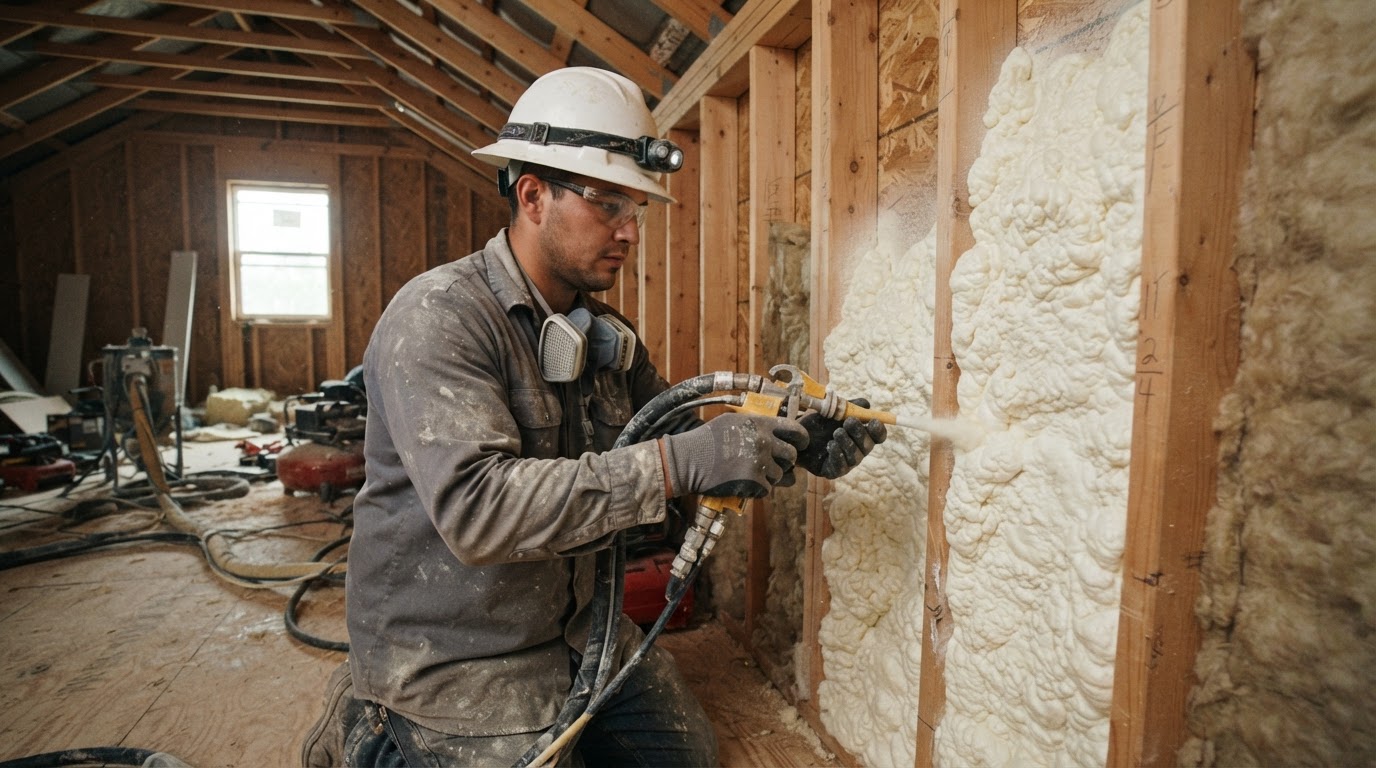
Open-Cell Spray Foam Insulation
A lighter, lower-density spray foam that expands aggressively to fill and seal large cavities. Open-cell foam offers excellent air sealing and sound dampening at a more accessible price point than closed-cell.
Learn more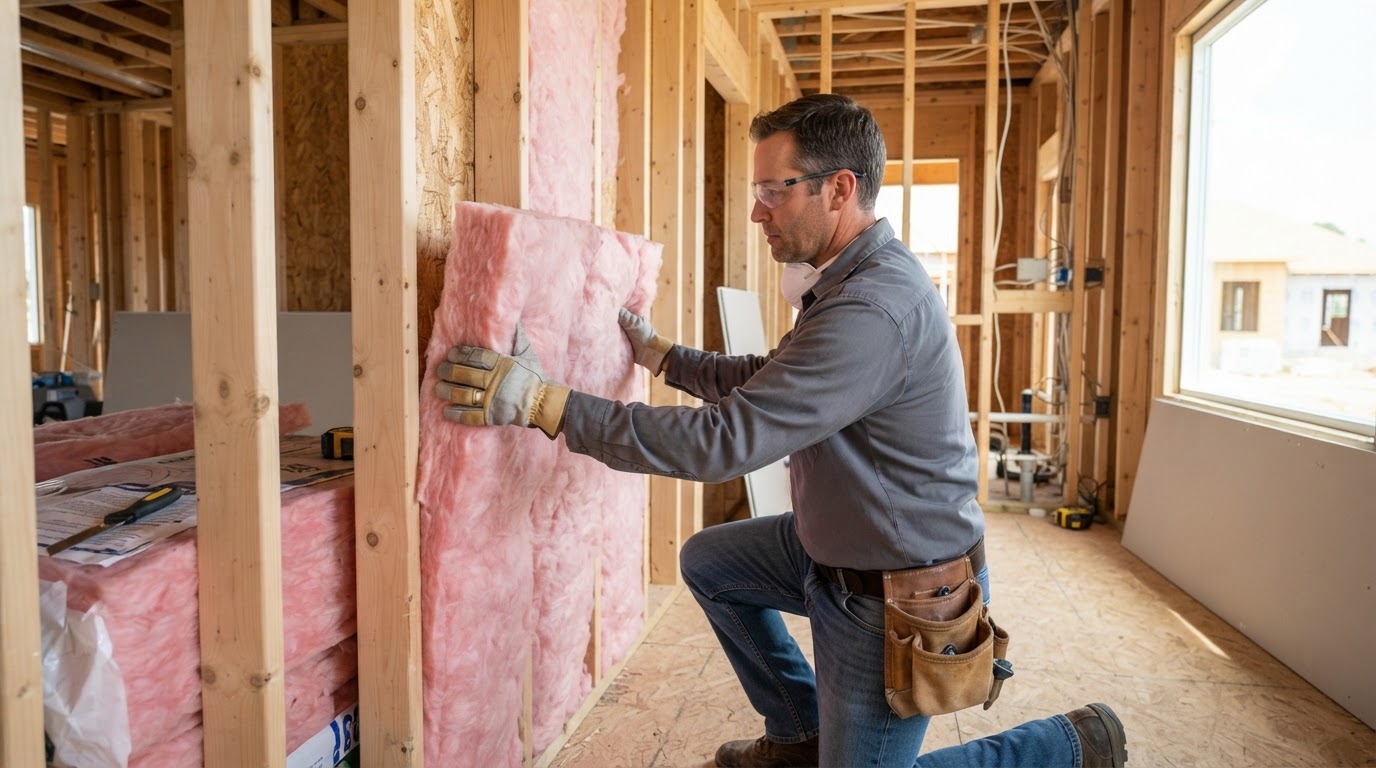
Fiberglass Insulation
A proven, cost-effective insulation used in walls, ceilings, and floors for decades. Fiberglass batts and rolls deliver dependable thermal performance where budgets matter.
Learn more