
Blown-In Insulation
Loose-fill insulation blown into existing attic floors and enclosed cavities — the fastest, most affordable way to add R-value over existing insulation or in hard-to-reach spaces.
What is blown-in?
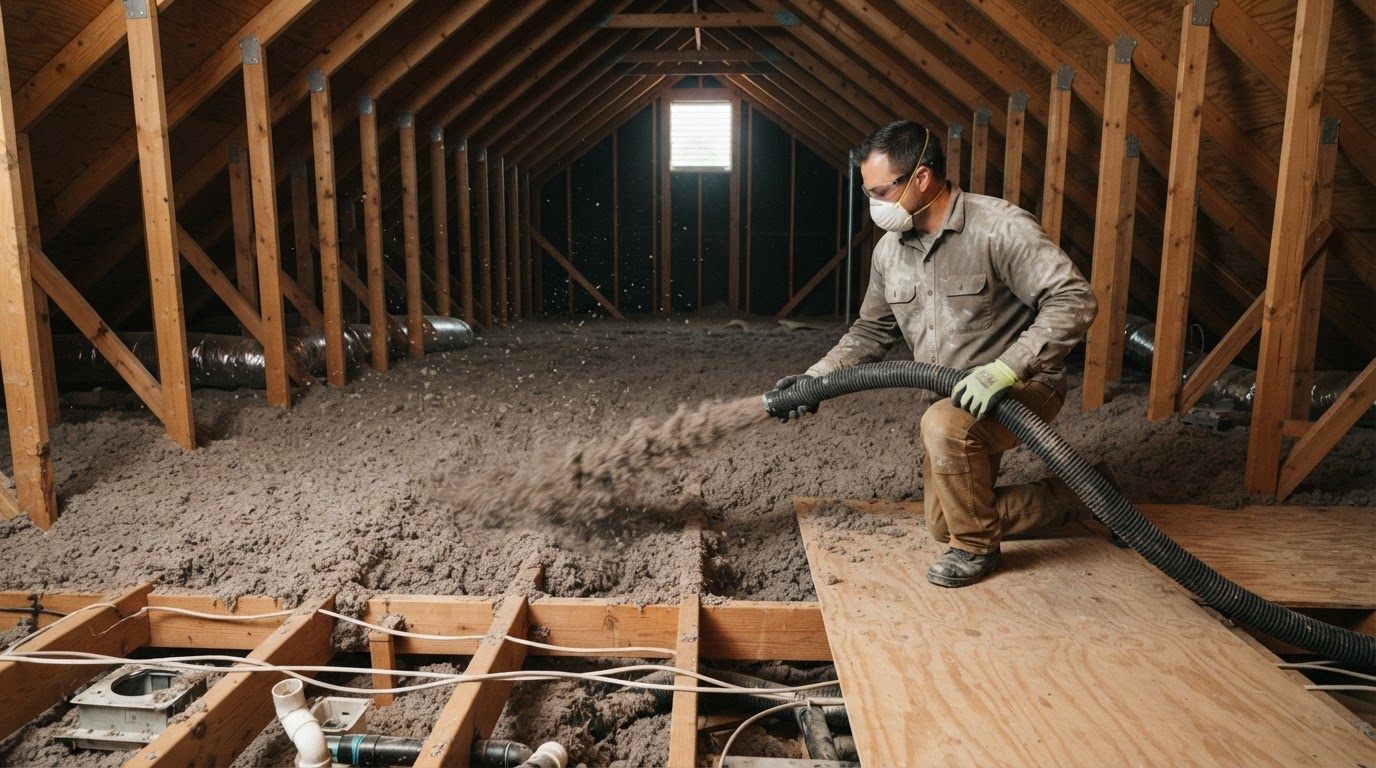
Blown-in insulation is loose-fill material — typically fiberglass or cellulose — pneumatically blown into place with a hose. It's the fastest and most affordable way to top up an under-insulated attic floor, fill enclosed cavities, or add coverage over existing insulation. Because it conforms to the space, it's ideal for attics with irregular joist spacing, lots of penetrations, or insulation that's settled and thinned out over the years.
The most cost-effective attic upgrade
For most existing homes, the attic floor is where you lose the most conditioned air — and where blown-in insulation delivers the most value per dollar. We can add loose-fill to bring a thin, settled layer up to current recommended levels without tearing out what's already there. It's a quick project that often pays for itself in a season or two of lower cooling bills.
Conforms to the space
Unlike batts, which need a clean, regularly spaced cavity, blown-in fill flows around ductwork, wiring, framing, and other obstacles. That makes it the right choice for older attics with irregular framing, settled insulation, or hard-to-reach corners where a batt simply won't fit cleanly.
Fiberglass or cellulose
We offer both blown fiberglass and blown cellulose. Fiberglass is non-combustible and won't absorb moisture; cellulose is denser, settles into gaps well, and is made from recycled paper. We'll walk you through which material suits your attic, your budget, and your priorities.
How Blown-In is installed
Here's what the installation looks like from start to finish, in plain language.
- 1
We inspect the attic to measure existing insulation depth and identify the right material and target R-value.
- 2
We protect the living space below and set up the blowing equipment and hose.
- 3
Loose-fill fiberglass or cellulose is blown evenly across the attic floor to the agreed depth.
- 4
We confirm consistent coverage and depth, then clean up and review the finished work with you.
What it can do for your property
- Fast and affordable — the most cost-effective way to add attic R-value
- Conforms to irregular joist spacing and flows around ductwork and obstacles
- Can top up over existing insulation without removing what's already there
- Ideal for retrofitting finished spaces where walls and ceilings are already closed
Results vary by property. We'll give you an honest, property-specific assessment during your inspection — no unsupported promises.
Where blown-in makes sense
Blown-in is the right call for topping up an under-insulated attic, filling irregular cavities, or improving finished spaces without opening walls. It's the go-to attic upgrade for existing Houston homes. For open wall framing, BIBS or spray foam may be a better fit.
Our approach to blown-in
A good blown-in job is about even coverage and the right depth — not just dumping material. We blow to a consistent depth across the whole attic, work around penetrations carefully, and don't leave thin spots that undercut the R-value you're paying for.
Inspection → recommendation → installation
- We inspect the property to understand what's actually needed before recommending anything.
- We discuss our findings and recommend the solution that fits your property and budget.
- We install it carefully — owner Eduardo Herrera on site to make sure it's done right.
Blown-In questions, answered
Can you add blown-in insulation over what's already in my attic?
+
In most cases, yes. If the existing insulation is dry and in decent shape, we can blow a new layer on top to bring the attic up to current recommended levels without removing the old material. We'll inspect first to confirm.
Fiberglass or cellulose — which should I choose?
+
Both work well. Blown fiberglass is non-combustible and won't absorb moisture. Cellulose is denser, settles into gaps nicely, and is made from recycled paper. We'll walk you through the trade-offs based on your attic, budget, and priorities.
How much insulation should my attic have?
+
It depends on your home, climate, and goals. We measure what's there now and recommend a target depth to bring your attic up to a sensible R-value for Houston. Every recommendation is based on an actual inspection of your attic.
Will blown-in insulation settle over time?
+
Some settling is normal with loose-fill, which is why we install to a depth that accounts for it. Properly installed blown-in continues performing well for years. We'll explain what to expect for the material we use.
How do I get an estimate for blown-in insulation?
+
Estimates are free and carry no obligation. Call (832) 517-6647 or request one online, and we'll inspect your attic and give you a clear, upfront price.
Ready to discuss your insulation project?
Tell us about your property and we'll help you decide whether blown-in is the right fit. Free, no-obligation estimate.
Other ways we can help
Closed-Cell Spray Foam Insulation
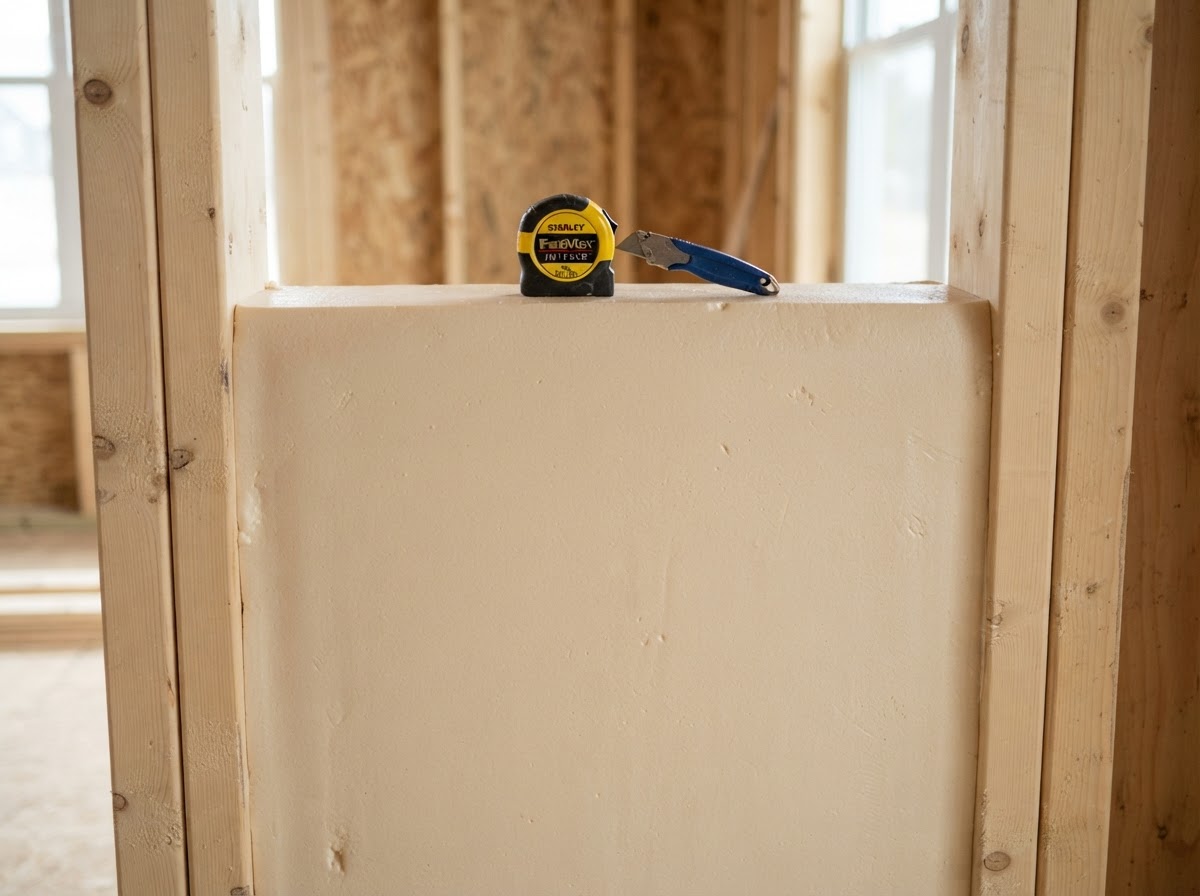
High-density closed-cell polyurethane foam expands to seal every gap, delivering the highest R-value per inch available, a built-in vapor retarder, and real structural reinforcement — a top choice for Houston homes.
Learn more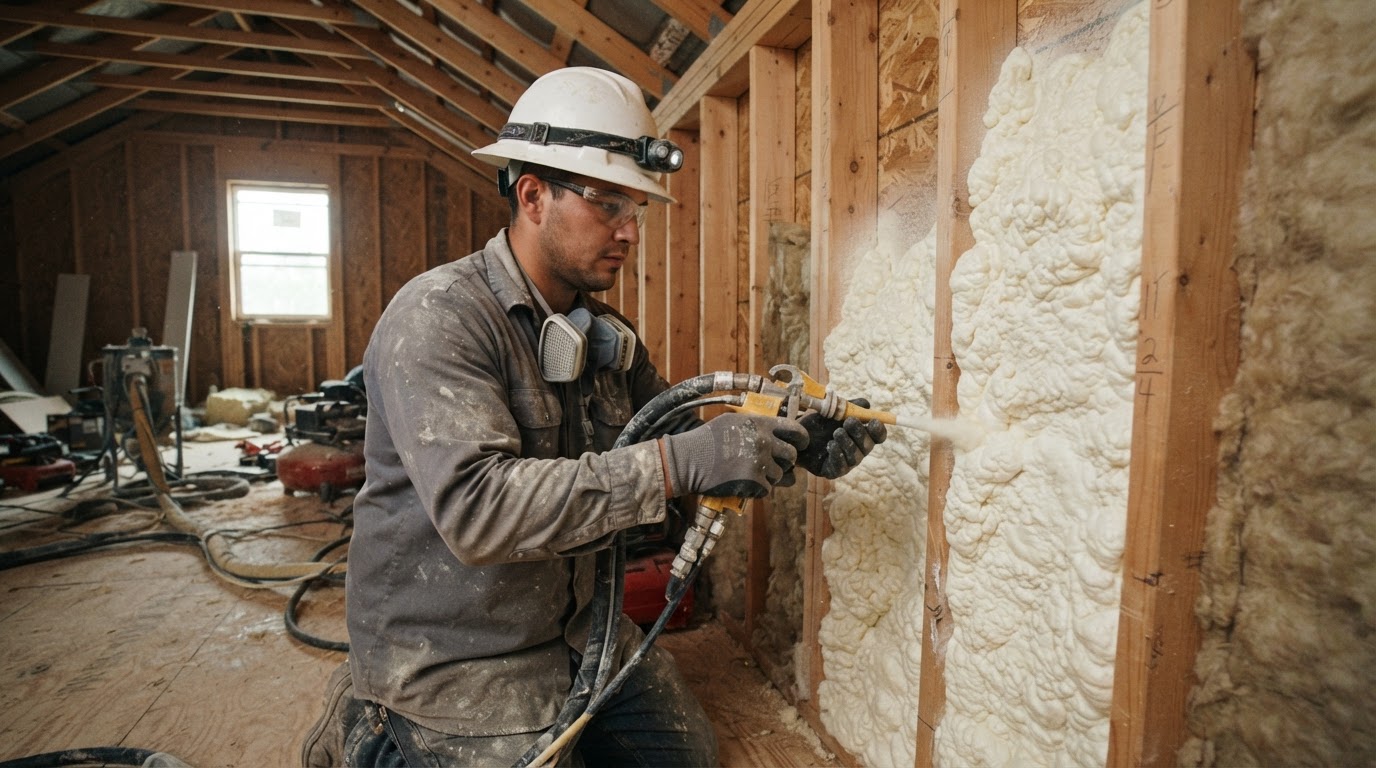
Open-Cell Spray Foam Insulation
A lighter, lower-density spray foam that expands aggressively to fill and seal large cavities. Open-cell foam offers excellent air sealing and sound dampening at a more accessible price point than closed-cell.
Learn more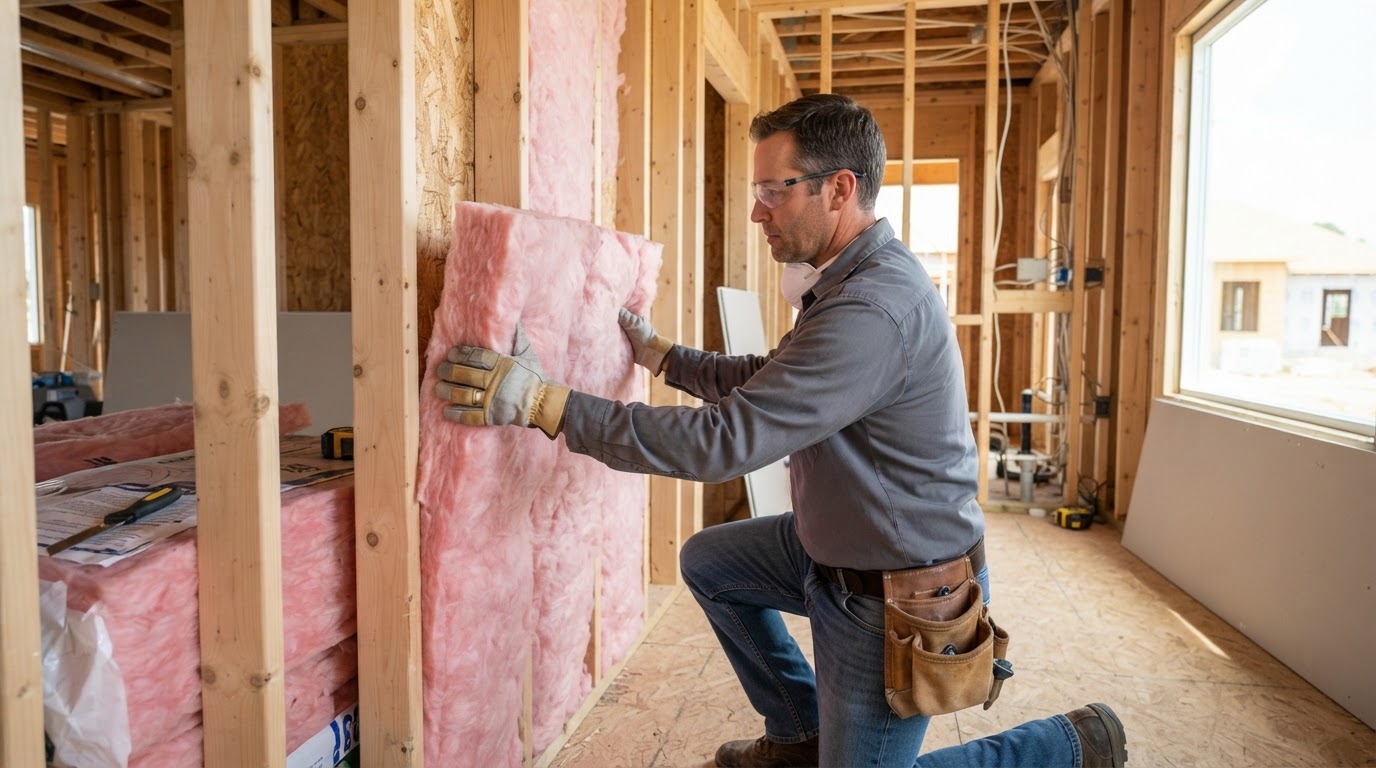
Fiberglass Insulation
A proven, cost-effective insulation used in walls, ceilings, and floors for decades. Fiberglass batts and rolls deliver dependable thermal performance where budgets matter.
Learn more