Fiberglass Insulation
A proven, cost-effective insulation used in walls, ceilings, and floors for decades. Fiberglass batts and rolls deliver dependable thermal performance where budgets matter.
What is fiberglass?
Fiberglass insulation is one of the most widely used and affordable insulation materials in the country. Available as pre-cut batts and rolls, it provides reliable thermal resistance in framed wall cavities, ceilings, and floors. It's a dependable, budget-conscious option — and when properly installed with no gaps or compression, it performs well for decades.
Proven performance on a budget
Fiberglass has been the workhorse of residential insulation for generations. It doesn't deliver the air sealing of spray foam, but for a project where cost is the driving factor and the cavity is standard, it's a sensible, code-compliant choice that holds its R-value for the life of the home.
Non-combustible and durable
Fiberglass is made from spun glass fibers, so it's naturally non-combustible — it will not burn and does not contribute fuel to a fire. When installed without compression or voids, it holds its shape and thermal performance over time.
Installation quality is everything
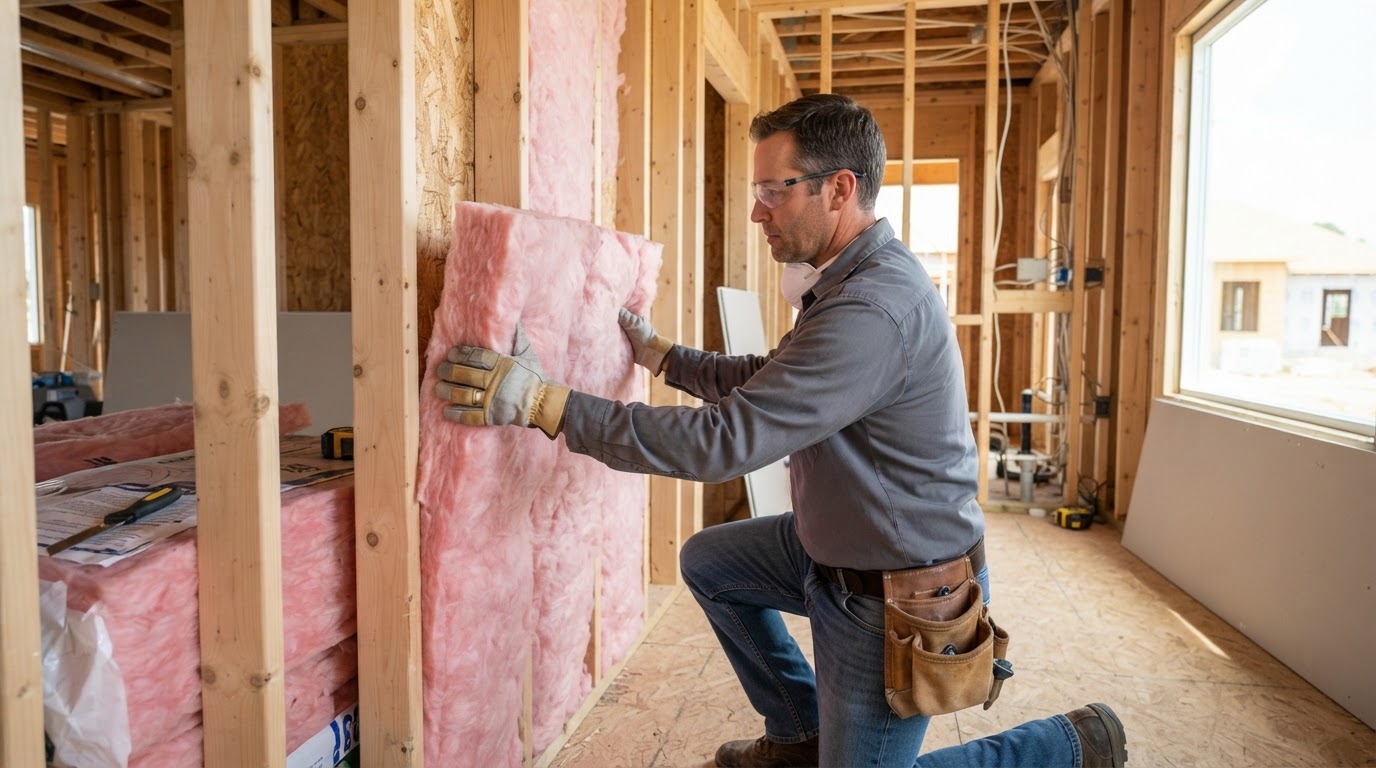
Fiberglass only performs well when it's cut and fitted precisely — no gaps around outlets, no compressed corners, no voids behind wiring. That's where our installation makes the difference: a careful fit that lets the material deliver its rated R-value instead of underperforming.
How Fiberglass is installed
Here's what the installation looks like from start to finish, in plain language.
- 1
We measure the cavities and confirm the right R-value batt or roll for your walls, ceilings, or floors.
- 2
Each batt is cut to fit snugly — around outlets, wiring, and plumbing — with no compression or gaps.
- 3
We friction-fit the insulation into the framing so it fills the full cavity depth.
- 4
Before finishing, we check for voids and verify full coverage so the material performs at its rated R-value.
What it can do for your property
- Dependable thermal performance at a budget-friendly price
- Non-combustible — won't burn or add fuel to a fire
- Holds its shape and R-value for the life of the home when installed correctly
- Widely available in standard batt and roll sizes for walls, ceilings, and floors
Results vary by property. We'll give you an honest, property-specific assessment during your inspection — no unsupported promises.
Where fiberglass makes sense
Fiberglass is a sensible choice for standard framed cavities in new construction or remodels where budget is a primary concern and the framing is regular. It's also a practical option for walls, ceilings, and floors where spray foam's air sealing isn't required. For irregular cavities or hard-to-reach areas, blown-in or BIBS may be a better fit.
Our approach to fiberglass
The difference with fiberglass is almost entirely in the installation. A batt that's compressed or cut short underperforms its rating. We take the time to cut and fit each piece precisely, so the fiberglass actually delivers the R-value you're paying for — not the reduced performance that sloppy installation leaves behind.
Inspection → recommendation → installation
- We inspect the property to understand what's actually needed before recommending anything.
- We discuss our findings and recommend the solution that fits your property and budget.
- We install it carefully — owner Eduardo Herrera on site to make sure it's done right.
Fiberglass questions, answered
Is fiberglass insulation safe?
+
Fiberglass is a non-combustible, widely used building material. We follow proper handling and installation practices, and we're happy to walk you through the product before any work begins.
Does fiberglass insulation lose R-value over time?
+
When installed correctly — without compression, gaps, or voids — fiberglass holds its shape and rated R-value for the life of the home. Poor installation is what causes it to underperform, not the material itself.
How does fiberglass compare to spray foam?
+
Fiberglass is more affordable and non-combustible, but it doesn't air-seal the way spray foam does. For some projects that's fine; for others, the air sealing of foam is worth the added cost. We'll help you weigh the trade-offs for your property.
Can fiberglass be added over existing insulation?
+
In attics, a fresh layer of fiberglass can sometimes be added, though blown-in is often a better fit for topping up. We'll inspect what's there and recommend the right approach.
How do I get an estimate for fiberglass insulation?
+
Estimates are always free and carry no obligation. Call (832) 517-6647 or request one online, and we'll inspect the area and give you a clear, upfront price.
Ready to discuss your insulation project?
Tell us about your property and we'll help you decide whether fiberglass is the right fit. Free, no-obligation estimate.
Other ways we can help
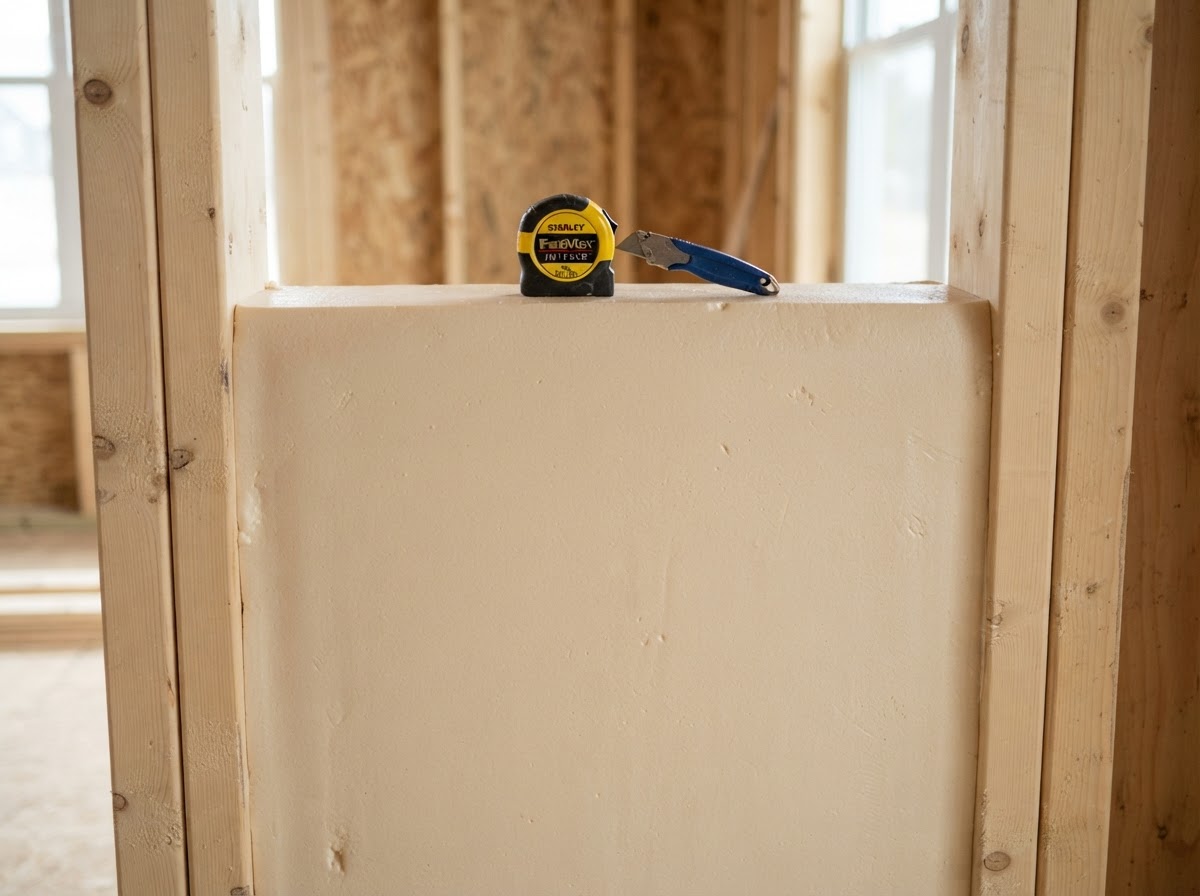
Closed-Cell Spray Foam Insulation
High-density closed-cell polyurethane foam expands to seal every gap, delivering the highest R-value per inch available, a built-in vapor retarder, and real structural reinforcement — a top choice for Houston homes.
Learn more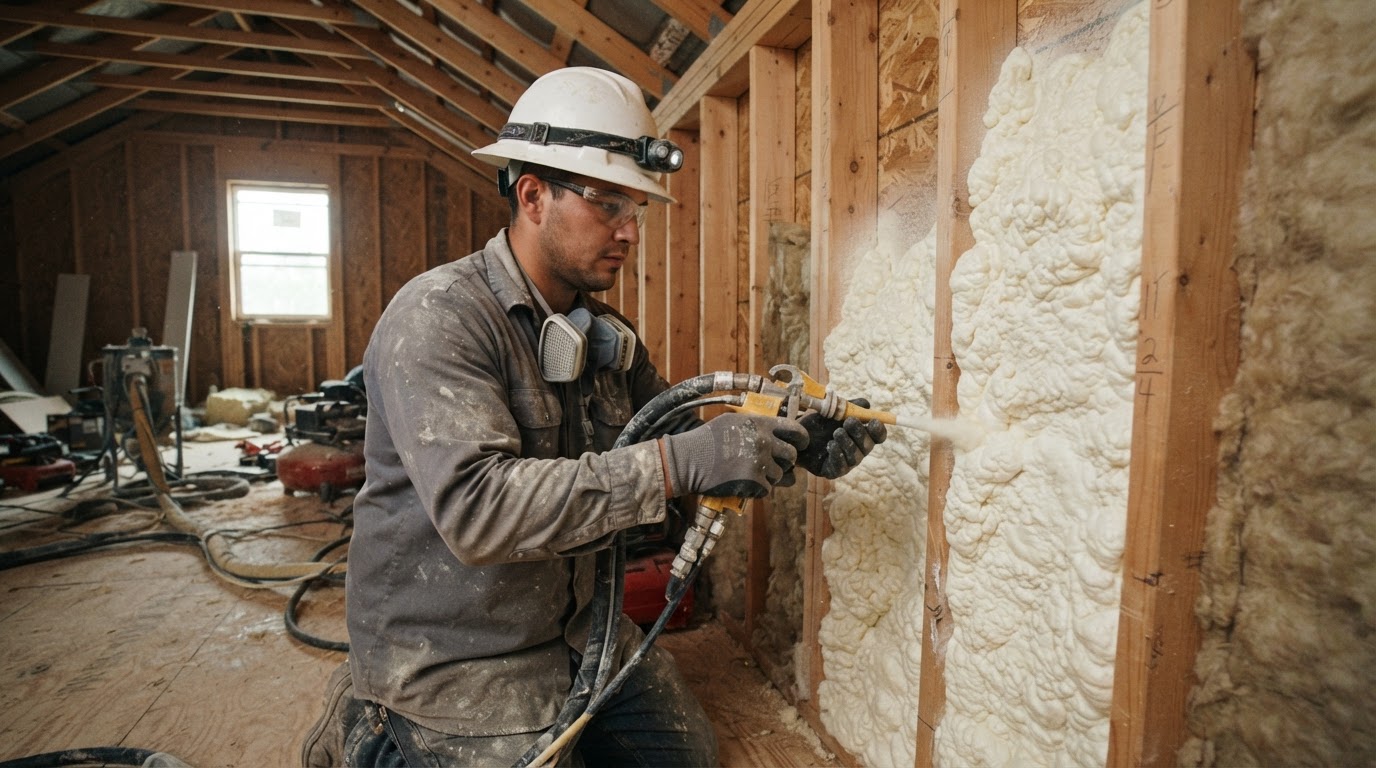
Open-Cell Spray Foam Insulation
A lighter, lower-density spray foam that expands aggressively to fill and seal large cavities. Open-cell foam offers excellent air sealing and sound dampening at a more accessible price point than closed-cell.
Learn more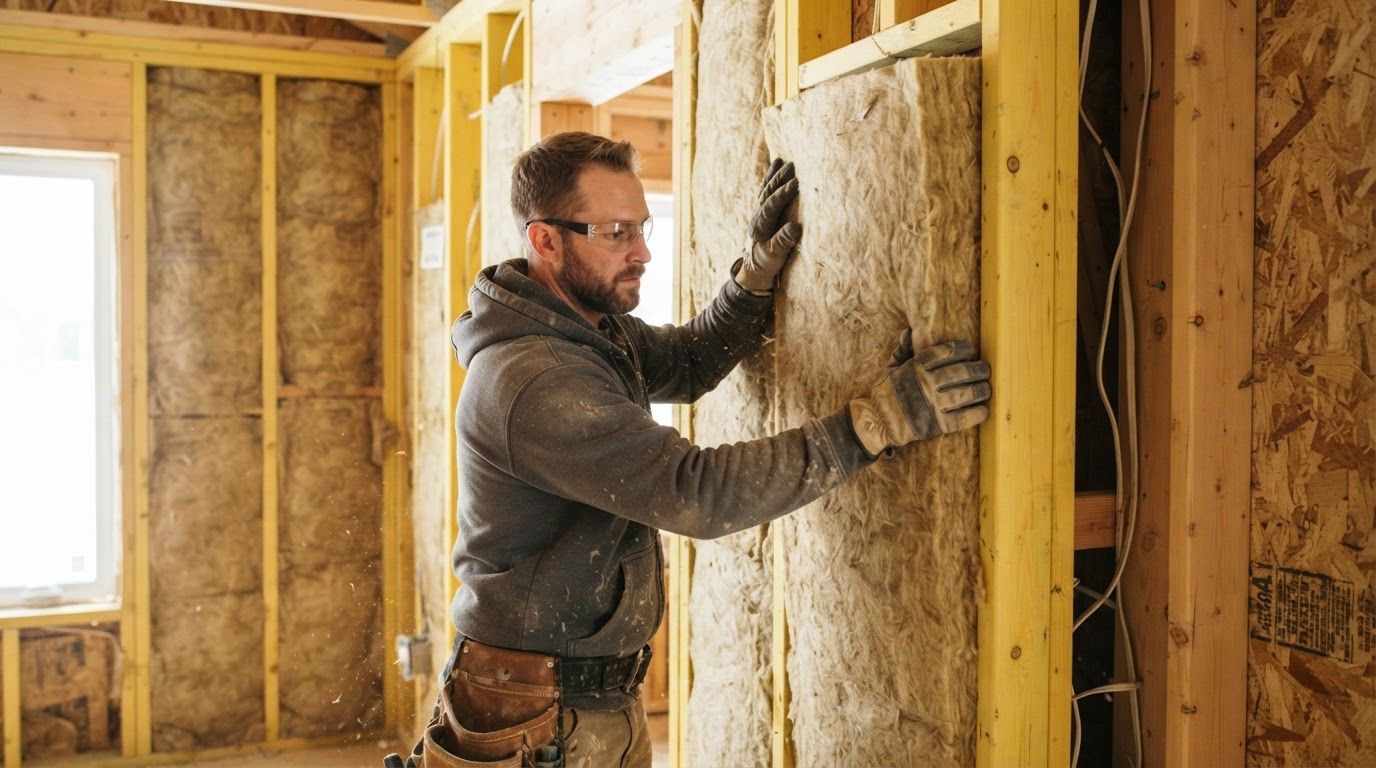
Mineral Wool Insulation
Dense, fire-resistant batts made from stone or slag. Mineral wool delivers strong thermal performance, excellent fire resistance, and superior sound control compared to fiberglass.
Learn more