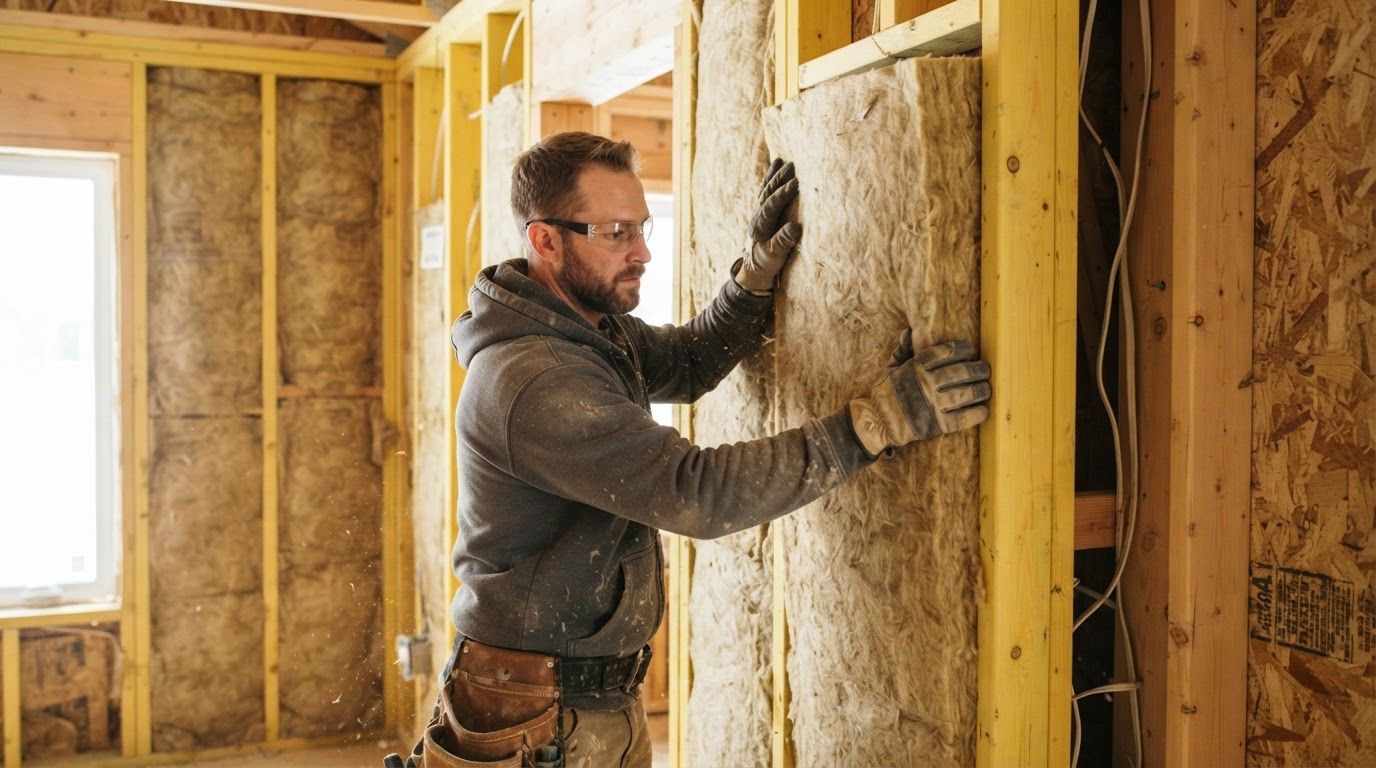
Mineral Wool Insulation
Dense, fire-resistant batts made from stone or slag. Mineral wool delivers strong thermal performance, excellent fire resistance, and superior sound control compared to fiberglass.
What is mineral wool?
Mineral wool (also called rock wool or slag wool) is a dense batt insulation made from molten stone or industrial slag. It delivers strong thermal performance and stands apart from fiberglass in two ways: it's highly fire-resistant — able to withstand temperatures over 1,800°F — and its density gives it excellent sound-dampening properties. It's a premium batt option for homeowners who want more than fiberglass offers.
Exceptional fire resistance
Mineral wool is non-combustible and rated to withstand temperatures above 1,800°F without melting. That makes it a standout choice for fire-rated wall assemblies, attached garages, and areas where you want every extra minute of fire protection you can get. It simply won't contribute fuel to a fire.
Quiet by comparison
Because mineral wool is substantially denser than fiberglass, it absorbs sound far more effectively. Homeowners often choose it for shared walls, ceilings between floors, and media or hobby rooms where noise transmission is the concern. If quiet is a priority, mineral wool is a meaningful step up from fiberglass.
Resists water and holds its shape
Mineral wool is naturally water-repellent and won't wick moisture, which helps it resist mold and mildew in humid Houston conditions. Its rigidity also means it friction-fits tightly into stud cavities and won't sag or settle over time, so it keeps delivering its rated performance for the life of the wall.
How Mineral Wool is installed
Here's what the installation looks like from start to finish, in plain language.
- 1
We measure the cavities and select the right mineral wool batts for your walls, ceilings, or floors.
- 2
The dense batts are friction-fit tightly into the framing — no fasteners needed in most cavities.
- 3
We cut carefully around outlets, wiring, and bracing so the batt fills the cavity without gaps.
- 4
We verify full coverage and a snug fit so the material delivers its rated thermal and acoustic performance.
What it can do for your property
- Top-tier fire resistance — withstands temperatures above 1,800°F without contributing fuel
- Superior sound control thanks to its dense, sound-absorbing structure
- Naturally water-repellent, so it resists moisture, mold, and mildew in humid conditions
- Rigid batts that friction-fit tightly and won't sag or settle over time
Results vary by property. We'll give you an honest, property-specific assessment during your inspection — no unsupported promises.
Where mineral wool makes sense
Mineral wool is a strong choice for shared walls, ceilings between floors, attached garages, fire-rated assemblies, and any room where sound control or fire resistance is a priority. Its moisture resistance also makes it well suited to Houston's humid climate. For large open attics where cost is the main driver, blown-in may be more economical.
Our approach to mineral wool
Mineral wool is denser and less forgiving to cut than fiberglass, so precise fitting matters even more. We take the time to cut each batt cleanly around obstacles so it fills the cavity completely — which is exactly where mineral wool's sound and fire benefits come from.
Inspection → recommendation → installation
- We inspect the property to understand what's actually needed before recommending anything.
- We discuss our findings and recommend the solution that fits your property and budget.
- We install it carefully — owner Eduardo Herrera on site to make sure it's done right.
Mineral Wool questions, answered
Is mineral wool better than fiberglass?
+
It depends on your goals. Mineral wool is denser, more fire-resistant, and absorbs sound better than fiberglass, and it resists moisture. Fiberglass is more affordable. If fire resistance, sound control, or moisture resistance are priorities, mineral wool is usually worth the upgrade.
Is mineral wool fireproof?
+
Mineral wool is non-combustible and can withstand temperatures above 1,800°F without melting. It won't contribute fuel to a fire, which is why it's used in fire-rated wall assemblies.
Does mineral wool help with sound?
+
Yes. Its dense structure absorbs sound far more effectively than fiberglass, making it a popular choice for shared walls, between floors, and rooms where noise control matters.
Will mineral wool hold up in Houston's humidity?
+
Mineral wool is naturally water-repellent and won't wick moisture, which helps it resist mold and mildew. That makes it well suited to our humid climate.
How do I get an estimate for mineral wool insulation?
+
Estimates are free with no obligation. Call (832) 517-6647 or request one online and we'll inspect the area and provide a clear, upfront price.
Ready to discuss your insulation project?
Tell us about your property and we'll help you decide whether mineral wool is the right fit. Free, no-obligation estimate.
Other ways we can help
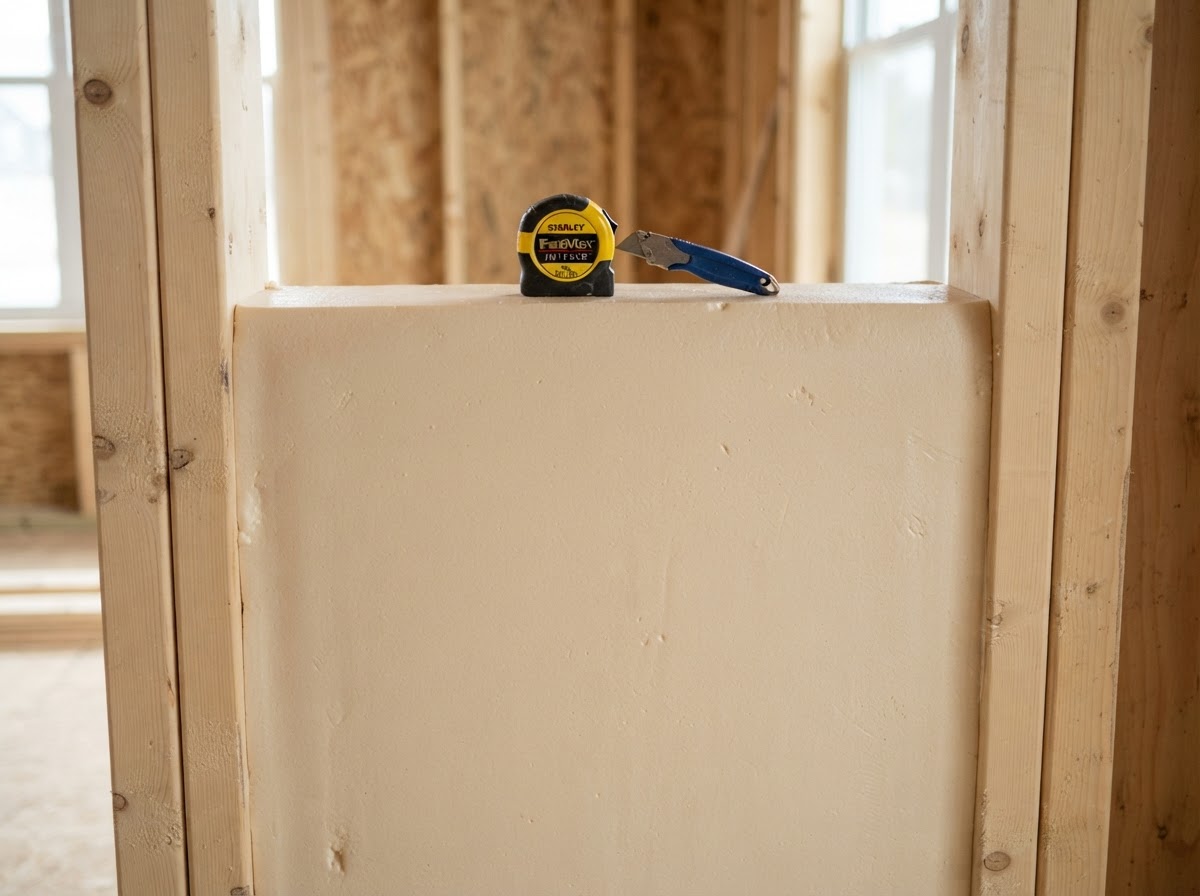
Closed-Cell Spray Foam Insulation
High-density closed-cell polyurethane foam expands to seal every gap, delivering the highest R-value per inch available, a built-in vapor retarder, and real structural reinforcement — a top choice for Houston homes.
Learn more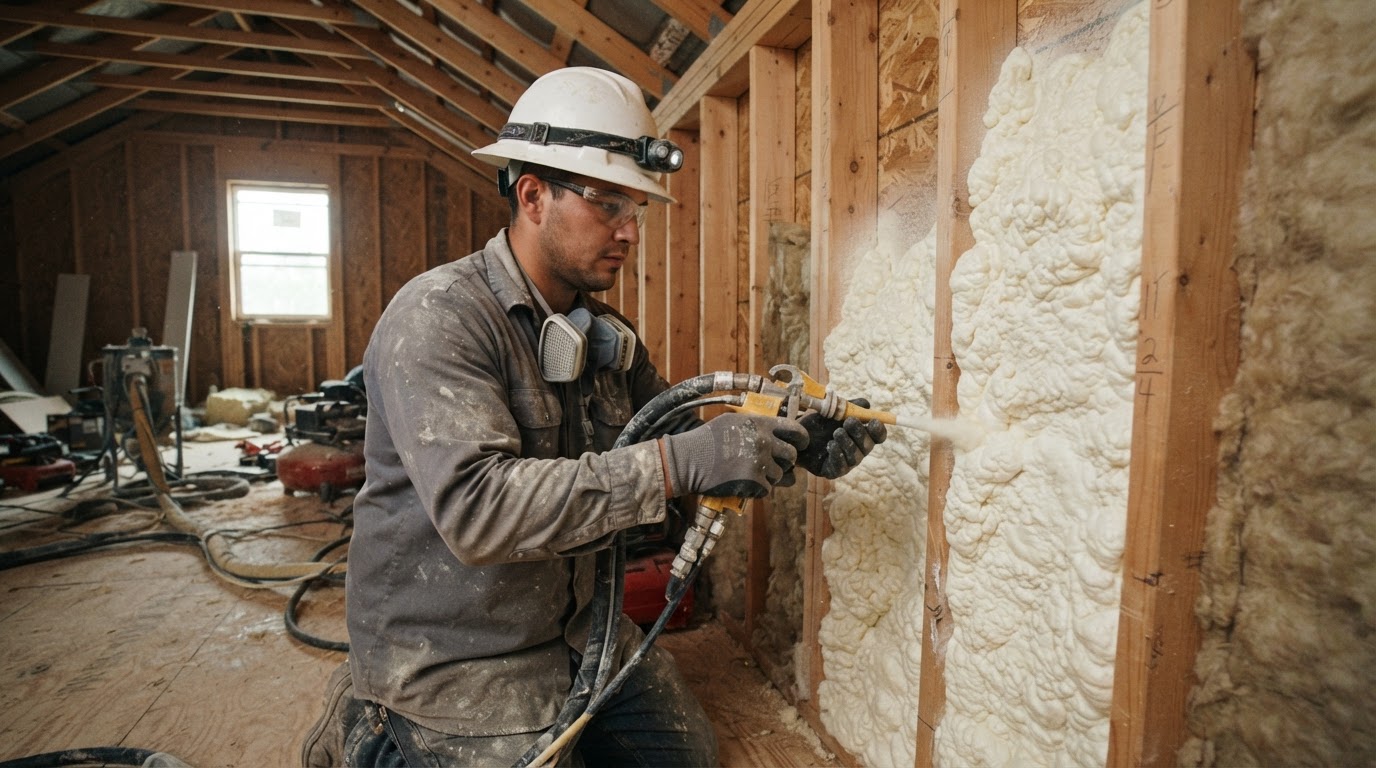
Open-Cell Spray Foam Insulation
A lighter, lower-density spray foam that expands aggressively to fill and seal large cavities. Open-cell foam offers excellent air sealing and sound dampening at a more accessible price point than closed-cell.
Learn more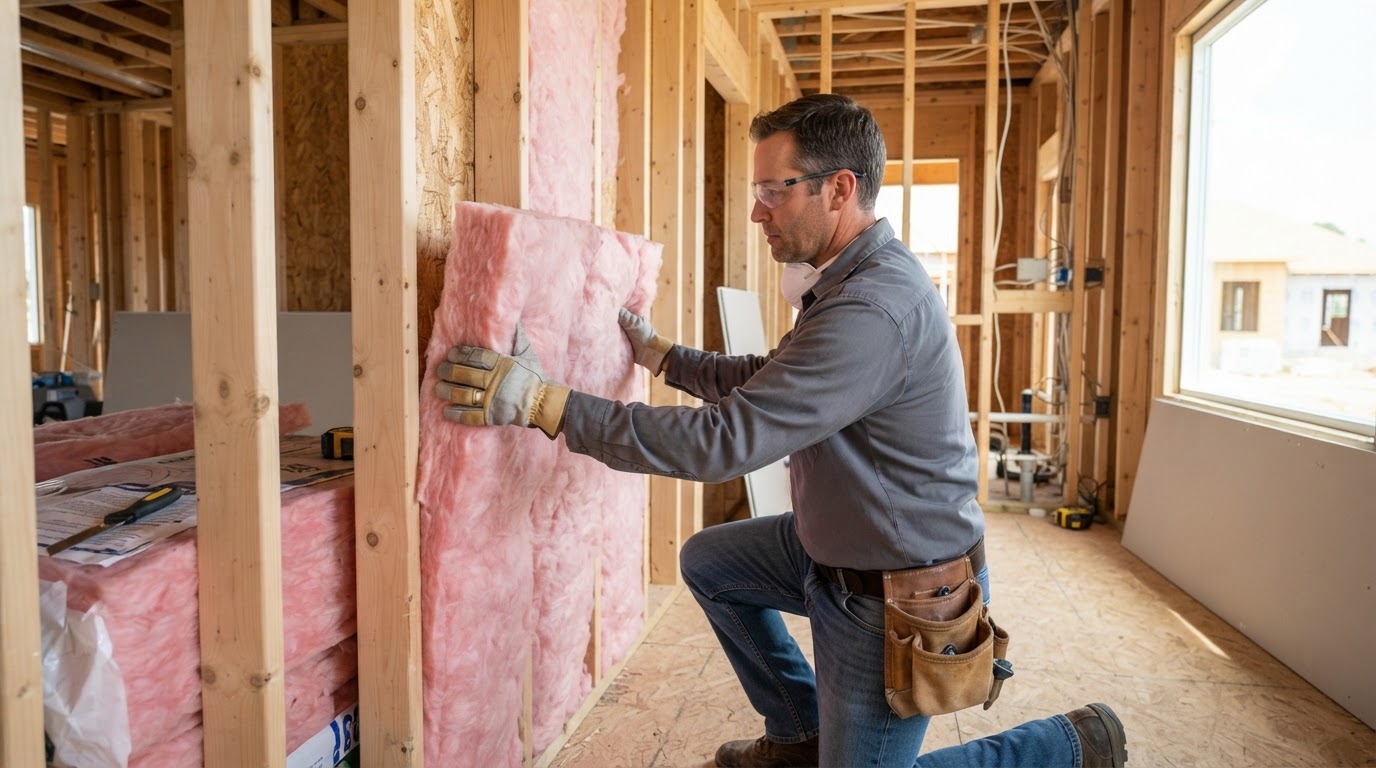
Fiberglass Insulation
A proven, cost-effective insulation used in walls, ceilings, and floors for decades. Fiberglass batts and rolls deliver dependable thermal performance where budgets matter.
Learn more