
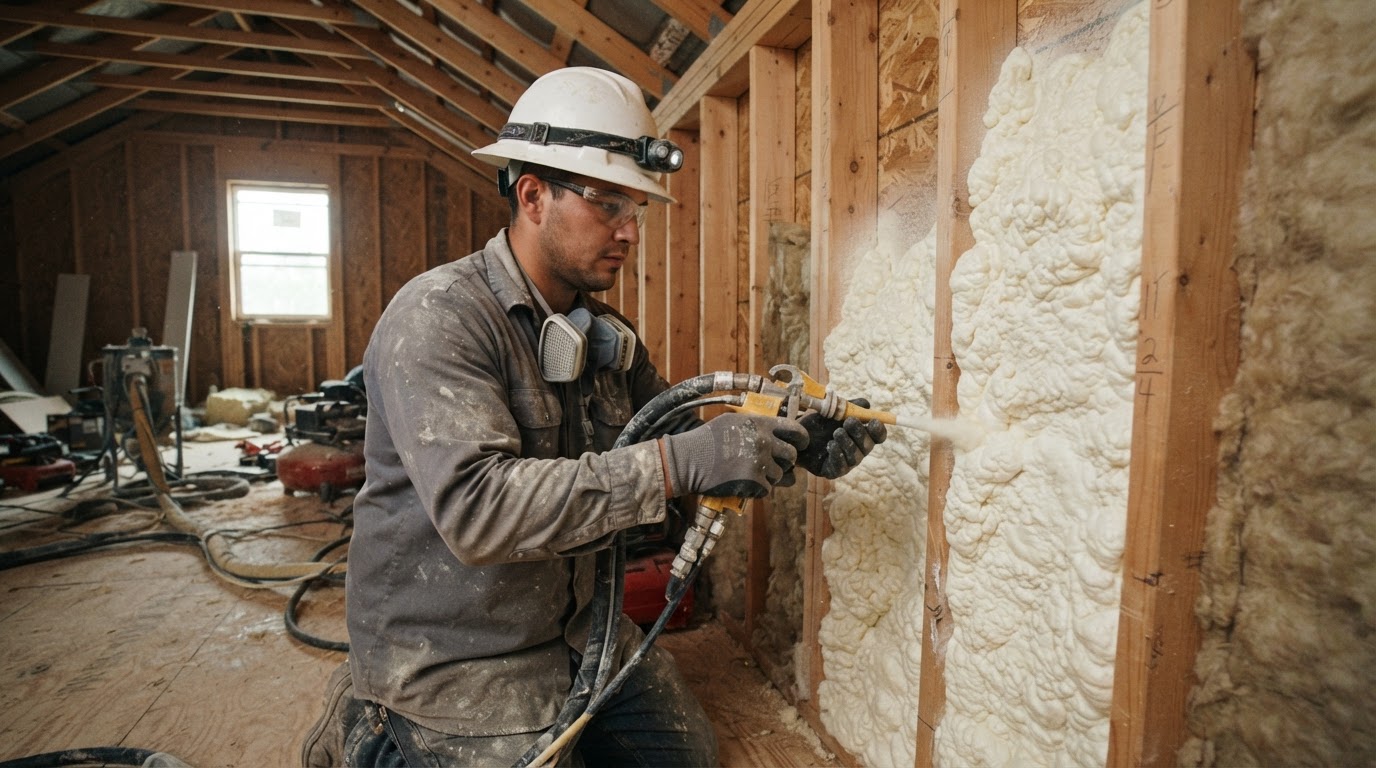
Open-Cell Spray Foam Insulation
A lighter, lower-density spray foam that expands aggressively to fill and seal large cavities. Open-cell foam offers excellent air sealing and sound dampening at a more accessible price point than closed-cell.
What is open-cell foam?
Open-cell spray foam is a lower-density polyurethane foam that expands many times its original volume on application. Because it expands so aggressively, it's excellent at filling large, irregular cavities and sealing around wiring, plumbing, and framing — while remaining vapor-permeable so the assembly can dry inward. It delivers strong air sealing and sound dampening at a more accessible price point than closed-cell.
Big expansion, complete fill
Open-cell foam expands up to roughly 100 times its sprayed volume, so it pushes deep into every corner of a wall or rafter bay. That makes it ideal for filling open framing where you want full coverage and airtightness without the density — and cost — of closed-cell.
Sound dampening you can hear
The soft, porous cellular structure of open-cell foam absorbs sound very effectively. It's a popular choice for interior walls, between floors, and in media rooms or offices where noise control matters as much as thermal performance.
A breathable assembly
Unlike closed-cell, open-cell foam is vapor-permeable. That means moisture can move through the assembly and dry to the interior — which is the right behavior in many wall and roof assemblies where you don't want to trap moisture. We'll help you decide where that matters on your project.
How Open-Cell Foam is installed
Here's what the installation looks like from start to finish, in plain language.
- 1
We inspect the area and confirm open-cell foam suits your assembly, budget, and goals.
- 2
The crew masks and protects surrounding surfaces and sets up proper ventilation.
- 3
The lower-density foam is sprayed on, expanding rapidly to fill the cavity and seal around wiring and framing.
- 4
Excess foam is trimmed, the area is cleaned, and we review the completed work with you.
What it can do for your property
- Aggressive expansion fills large and irregular cavities that batts can't reach cleanly
- Excellent air sealing that reduces drafts without the density and cost of closed-cell
- Strong sound dampening between rooms, floors, and units
- Vapor-permeable, so the assembly can dry inward where that's the right behavior
Results vary by property. We'll give you an honest, property-specific assessment during your inspection — no unsupported promises.
Where open-cell foam makes sense
Open-cell foam is a great fit for open framing in new construction, interior walls and between-floor assemblies where sound control matters, and large cavities where you want full coverage at a more accessible price. We'll help you decide if its permeability is right for your specific wall or roof assembly.
Our approach to open-cell foam
Open-cell isn't right for every space — in particular, some roof decks and high-moisture areas call for closed-cell instead. We inspect first and explain the trade-offs honestly, so you get the foam that actually fits your property rather than the one that's easiest to sell.
Inspection → recommendation → installation
- We inspect the property to understand what's actually needed before recommending anything.
- We discuss our findings and recommend the solution that fits your property and budget.
- We install it carefully — owner Eduardo Herrera on site to make sure it's done right.
Open-Cell Foam questions, answered
When is open-cell foam a better choice than closed-cell?
+
Open-cell shines when you need to fill large, open cavities, want strong sound dampening, and prefer a more accessible price point. It's also a good choice where you want a vapor-permeable assembly that can dry inward. Closed-cell is better when you need maximum R-value per inch, a vapor retarder, or added structural strength.
Does open-cell foam seal out air?
+
Yes. Even though it's softer and lower-density than closed-cell, open-cell foam expands to fill gaps and cracks, creating an effective air barrier that reduces drafts.
Is open-cell foam good for soundproofing?
+
Its porous structure absorbs sound very well, so it's a popular choice for shared walls, between floors, media rooms, and offices. It won't create a sound studio, but it noticeably reduces noise transmission.
Will open-cell foam trap moisture in my walls?
+
Open-cell foam is vapor-permeable, which means moisture can pass through and the assembly can dry. That's desirable in many wall and roof setups. We'll look at your specific assembly and recommend the foam that won't create a moisture problem.
How do I get started?
+
Call us at (832) 517-6647 or request an estimate online. We'll ask about your project, inspect the area, and recommend whether open-cell foam is the right fit before you commit to anything.
Ready to discuss your insulation project?
Tell us about your property and we'll help you decide whether open-cell foam is the right fit. Free, no-obligation estimate.
Other ways we can help
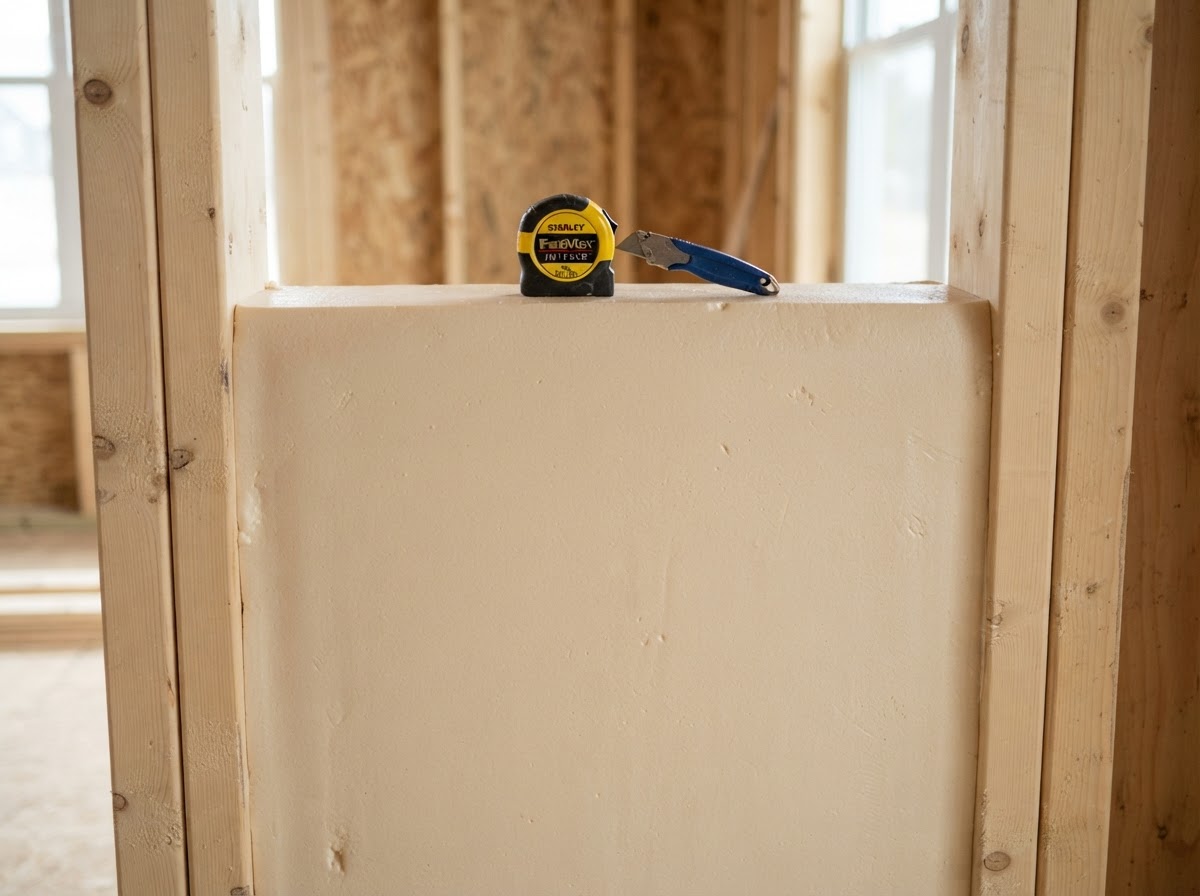
Closed-Cell Spray Foam Insulation
High-density closed-cell polyurethane foam expands to seal every gap, delivering the highest R-value per inch available, a built-in vapor retarder, and real structural reinforcement — a top choice for Houston homes.
Learn more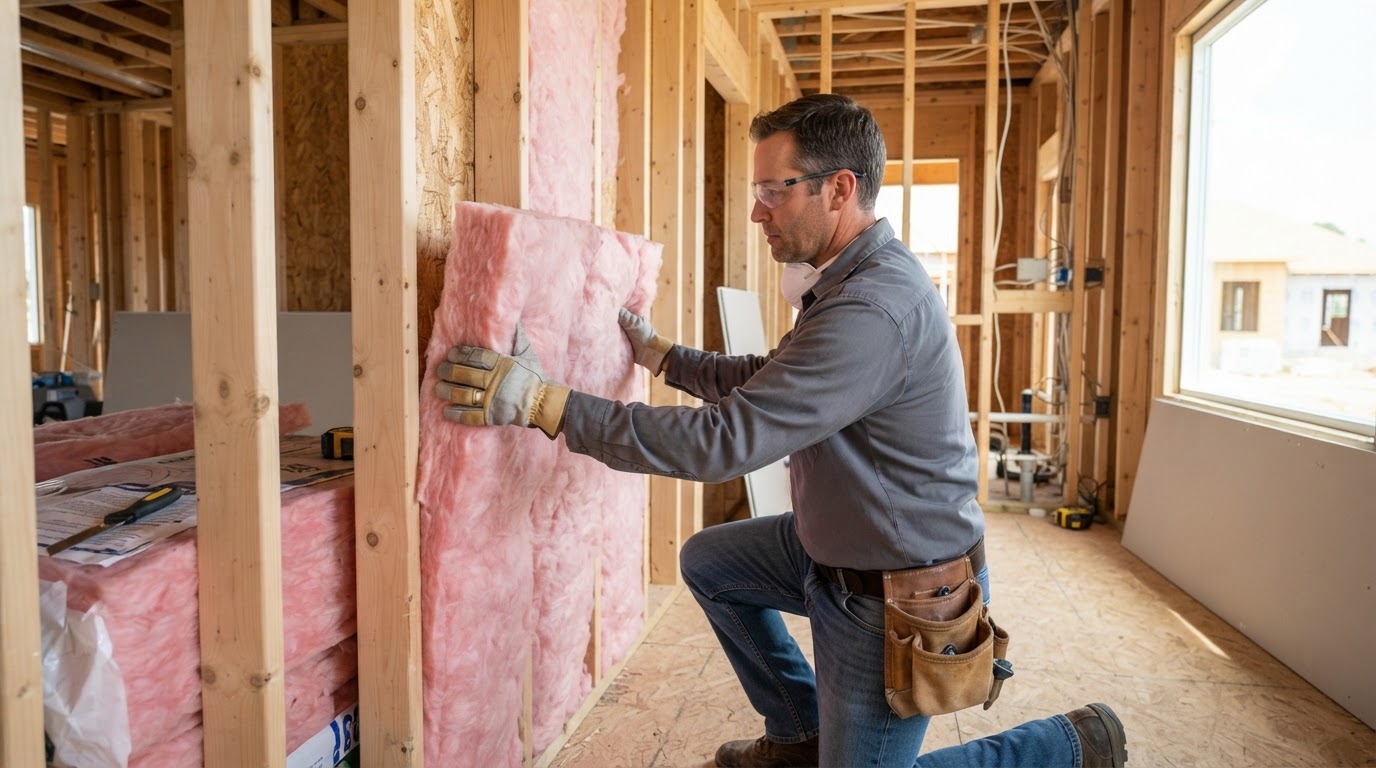
Fiberglass Insulation
A proven, cost-effective insulation used in walls, ceilings, and floors for decades. Fiberglass batts and rolls deliver dependable thermal performance where budgets matter.
Learn more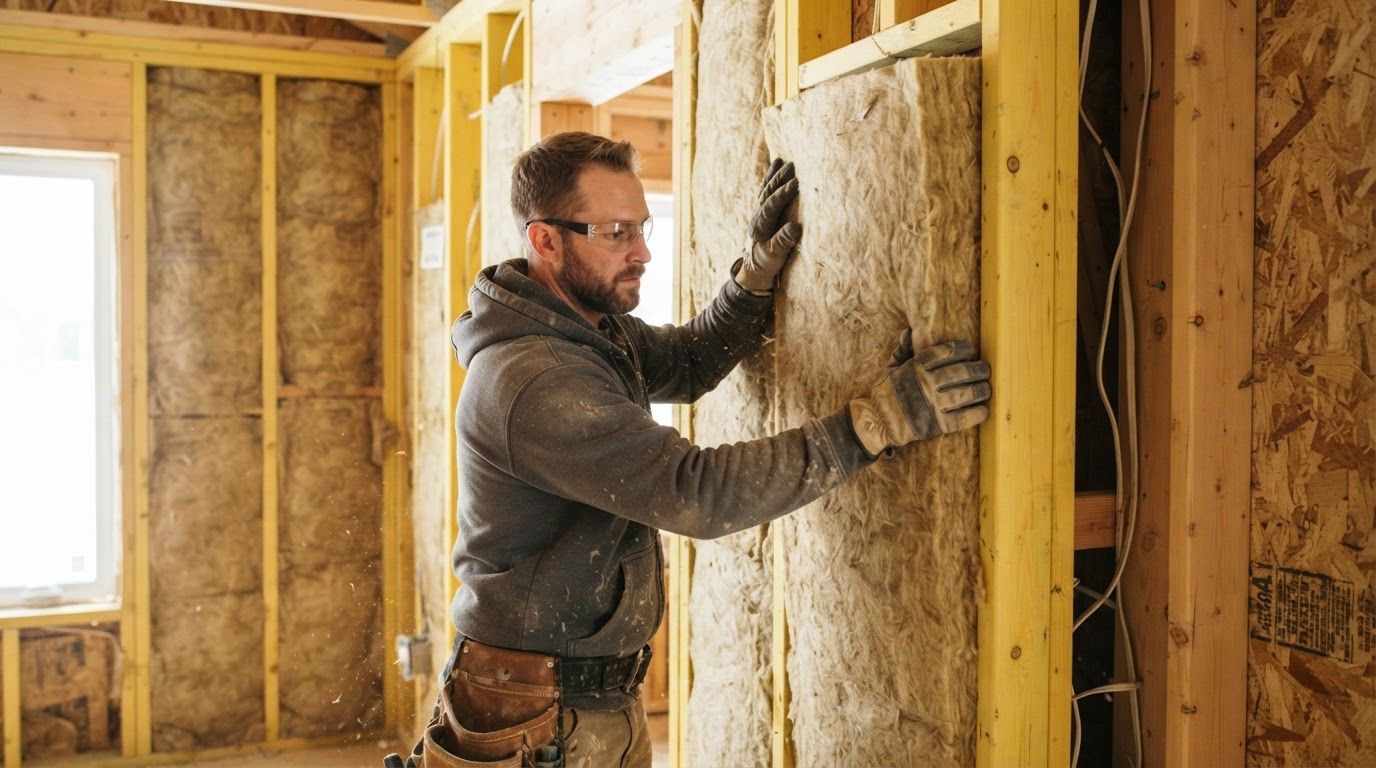
Mineral Wool Insulation
Dense, fire-resistant batts made from stone or slag. Mineral wool delivers strong thermal performance, excellent fire resistance, and superior sound control compared to fiberglass.
Learn more