
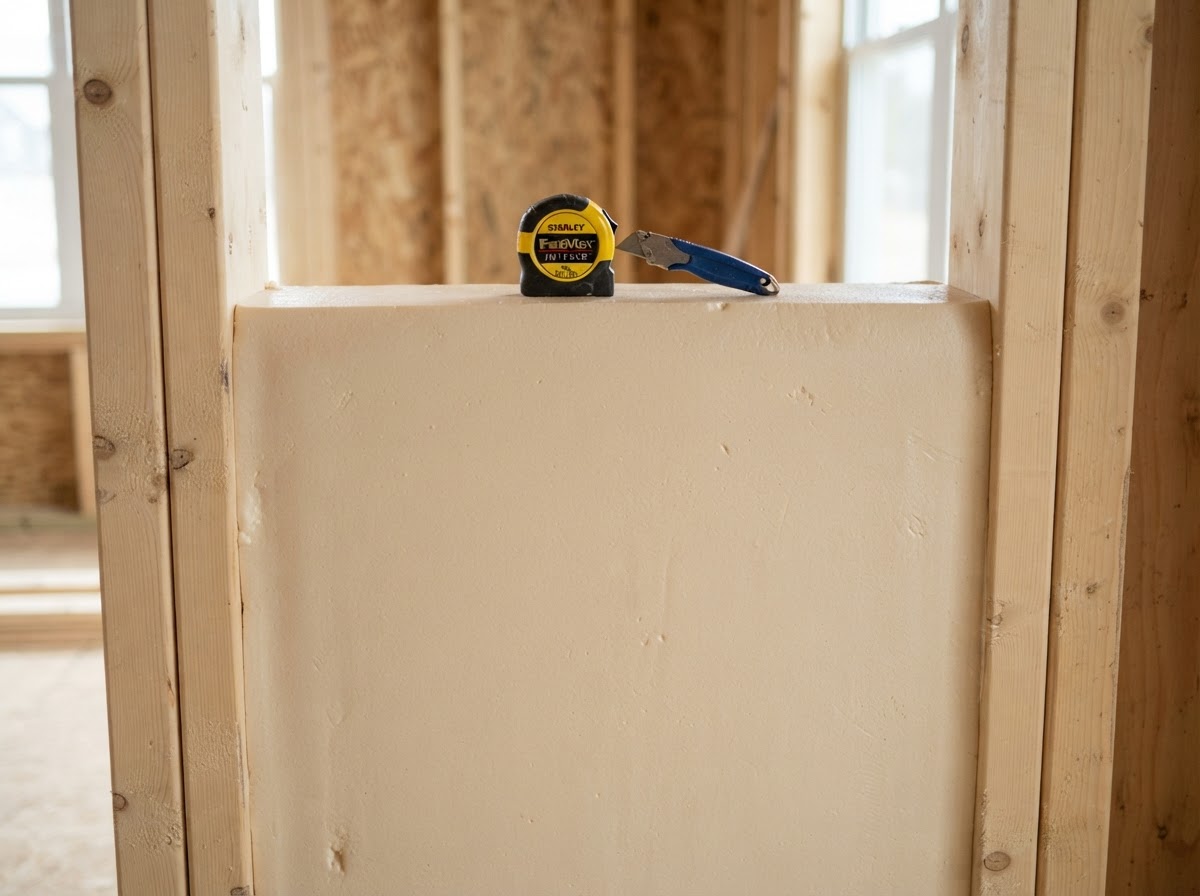
Closed-Cell Spray Foam Insulation
High-density closed-cell polyurethane foam expands to seal every gap, delivering the highest R-value per inch available, a built-in vapor retarder, and real structural reinforcement — a top choice for Houston homes.
What is closed-cell foam?
Closed-cell spray foam is the highest-performance option in our lineup. It's a high-density polyurethane foam that expands on application to form a continuous, monolithic seal — filling cracks, gaps, and penetrations that fiberglass and open-cell alternatives leave open. For Houston's heat and humidity, it's hard to beat.
Why choose closed-cell
Its dense cellular structure blocks both air and moisture movement, so conditioned indoor air stays in and humid Gulf Coast air stays out. Where fiberglass can allow air to pass through, closed-cell foam forms a true seal. That makes it our go-to recommendation for attics, metal buildings, and any space where moisture and heat are a problem.
Structural reinforcement
Closed-cell foam cures into a rigid matrix that physically bonds wall studs to exterior sheathing. This increases racking shear resistance, giving your walls extra stiffness against high winds — a real benefit on the Texas Gulf Coast.
Built-in vapor protection
Because closed-cell foam is impermeable to bulk water, it functions as a Class II vapor retarder. That helps protect your framing, sheathing, and drywall from the condensation that builds up when hot, humid air meets a cool surface inside your walls.
How Closed-Cell Foam is installed
Here's what the installation looks like from start to finish, in plain language.
- 1
We start by inspecting the area to be insulated and confirming closed-cell is the right fit for your property and goals.
- 2
The crew prepares the space — masking off surfaces, protecting areas that shouldn't be sprayed, and setting up ventilation.
- 3
The two-part foam is sprayed onto the substrate, where it expands within seconds to fill every gap, crack, and cavity.
- 4
We trim any over-spray flush, clean up the work area, and walk you through what was done before we leave.
What it can do for your property
- The highest R-value per inch of any insulation we install, so you get more thermal resistance in less depth
- A continuous air seal that reduces drafts and helps your HVAC keep up with Houston heat
- A built-in vapor retarder that helps protect framing and sheathing from humidity and condensation
- Added wall rigidity from the rigid cured foam bonding studs to sheathing
Results vary by property. We'll give you an honest, property-specific assessment during your inspection — no unsupported promises.
Where closed-cell foam makes sense
Closed-cell foam is an excellent fit for attics and roof decks, metal buildings, barndominiums, garages and workshops, crawl spaces, and any Houston property where moisture control and maximum performance matter. It's also a strong choice when cavity depth is limited and you need high R-value in a thinner application.
Our approach to closed-cell foam
We don't default to closed-cell on every job. We inspect your property first, talk through your goals and budget, and recommend closed-cell when its performance actually fits your situation — not just because it's the premium option.
Inspection → recommendation → installation
- We inspect the property to understand what's actually needed before recommending anything.
- We discuss our findings and recommend the solution that fits your property and budget.
- We install it carefully — owner Eduardo Herrera on site to make sure it's done right.
Closed-Cell Foam questions, answered
What's the difference between closed-cell and open-cell spray foam?
+
Closed-cell foam is denser, has a higher R-value per inch (R-6.5–7.0), acts as a vapor retarder, and adds structural strength. Open-cell foam is softer, more permeable, and expands more. For Houston's heat and humidity, closed-cell is often the stronger choice because it seals out moisture and delivers more insulation per inch.
Can closed-cell foam be installed in an existing home?
+
Yes. The most common retrofit is spraying the underside of the roof deck in the attic, which improves the whole-home thermal envelope without opening up walls. We'll inspect your space and tell you whether closed-cell is practical for your property.
How long does closed-cell spray foam last?
+
Closed-cell foam does not settle, sag, or break down over time the way loose-fill or fiberglass can. Properly installed, it can perform for the life of the building.
Does closed-cell foam help with moisture and mold?
+
Closed-cell foam is a Class II vapor retarder, so it resists moisture movement. That helps reduce the condensation that can lead to mold and wood damage in humid Houston conditions. It does not, however, fix an existing water leak — those should be resolved first.
How do I get a price for closed-cell spray foam?
+
Every estimate is free and carries no obligation. Tell us about your project and we'll inspect the area, then provide a clear, upfront price before any work is scheduled. Call (832) 517-6647 or request an estimate online.
Ready to discuss your insulation project?
Tell us about your property and we'll help you decide whether closed-cell foam is the right fit. Free, no-obligation estimate.
Other ways we can help
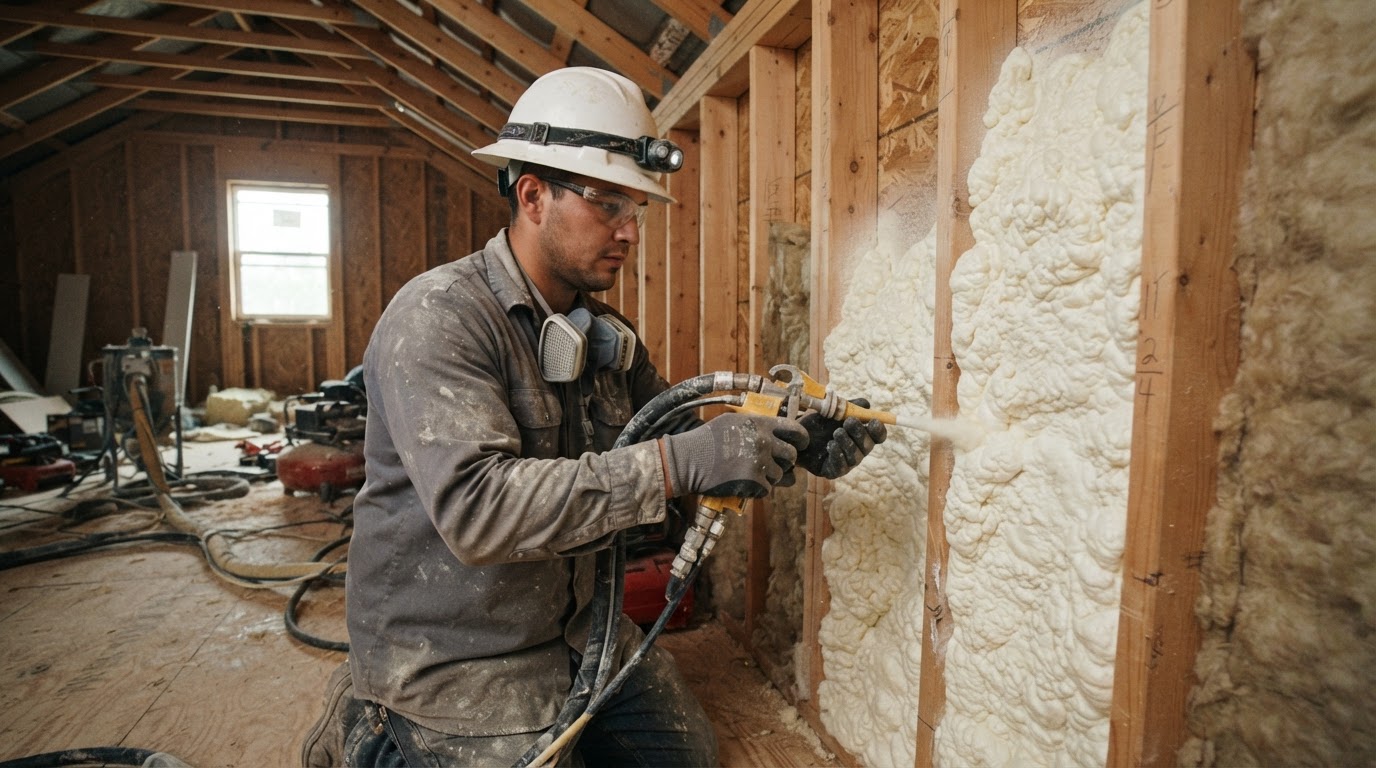
Open-Cell Spray Foam Insulation
A lighter, lower-density spray foam that expands aggressively to fill and seal large cavities. Open-cell foam offers excellent air sealing and sound dampening at a more accessible price point than closed-cell.
Learn more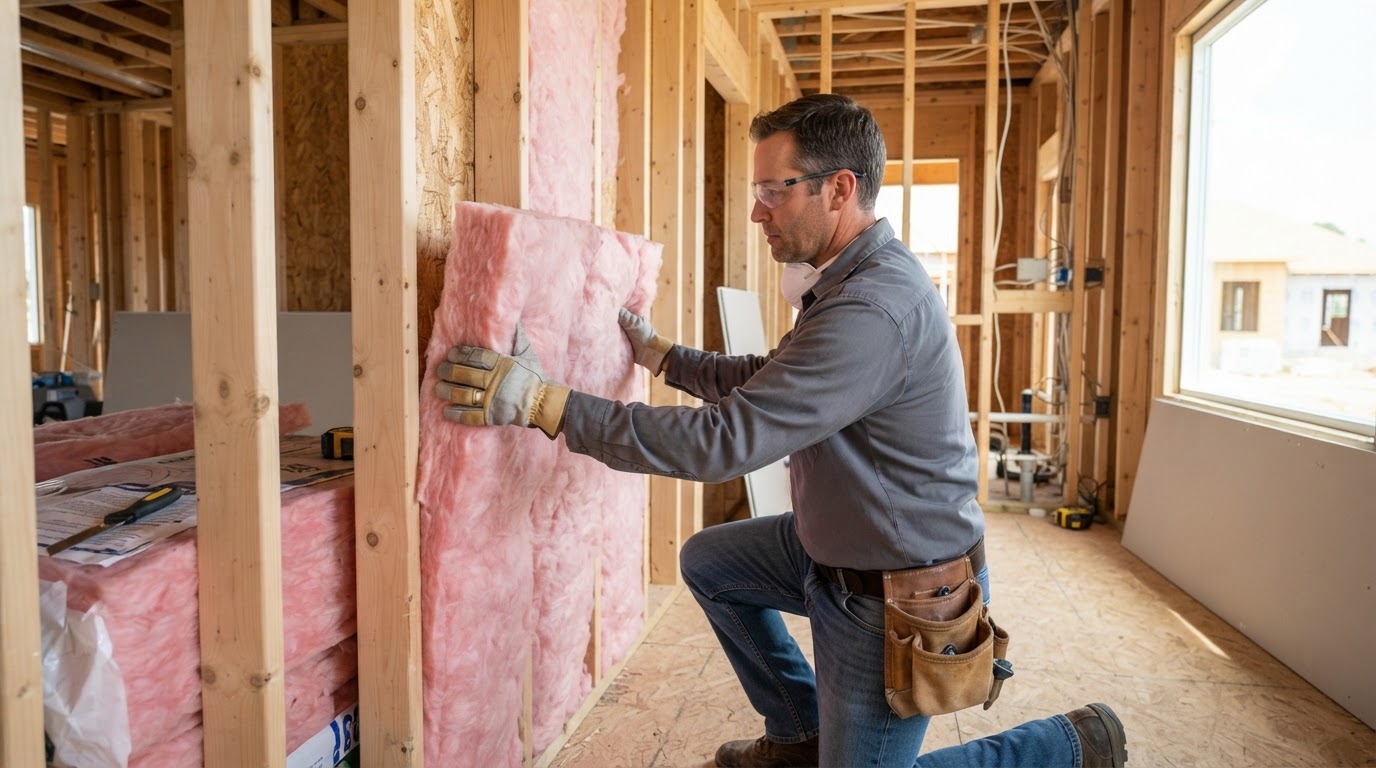
Fiberglass Insulation
A proven, cost-effective insulation used in walls, ceilings, and floors for decades. Fiberglass batts and rolls deliver dependable thermal performance where budgets matter.
Learn more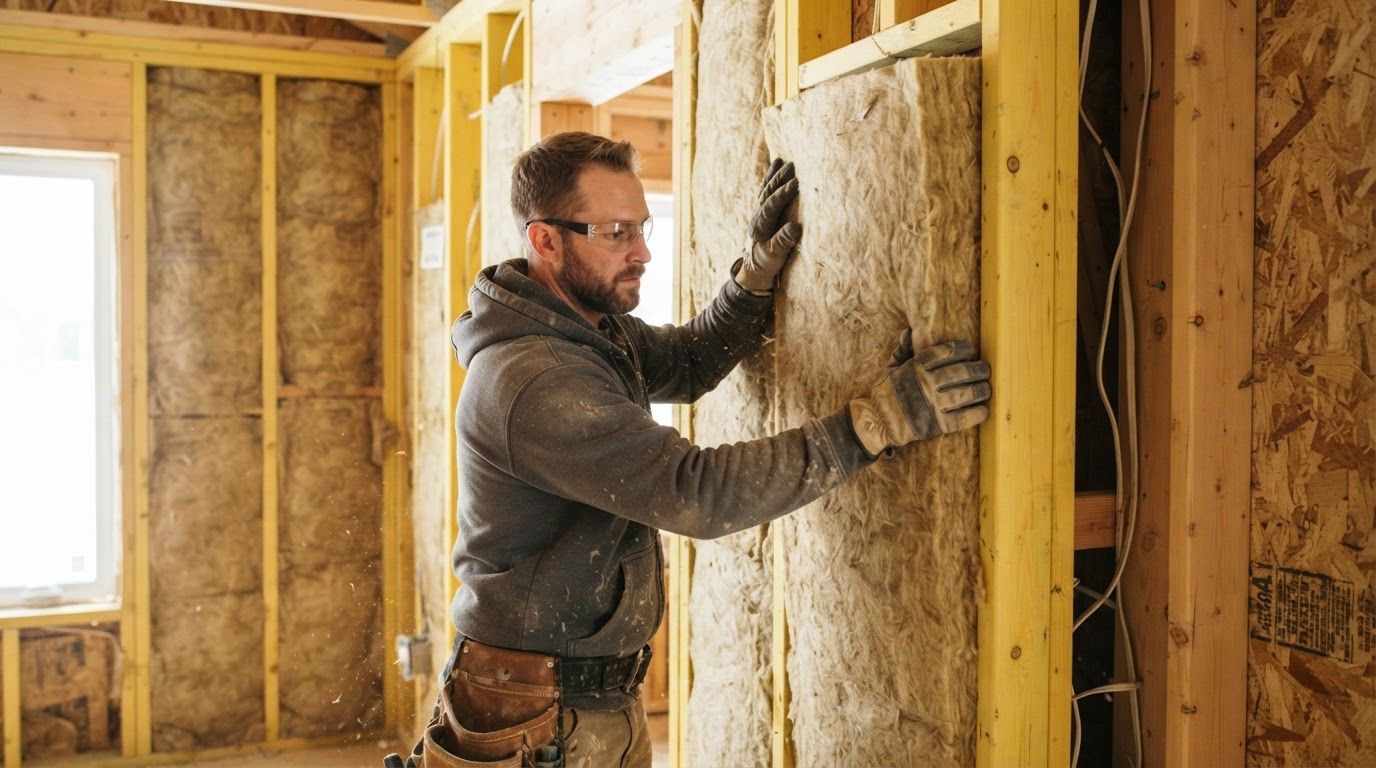
Mineral Wool Insulation
Dense, fire-resistant batts made from stone or slag. Mineral wool delivers strong thermal performance, excellent fire resistance, and superior sound control compared to fiberglass.
Learn more